
Faculty of Humanities and Social Sciences, Suan Dusit University, Organizes Learning Activity on “Physiognomy, Personality & Presentation”
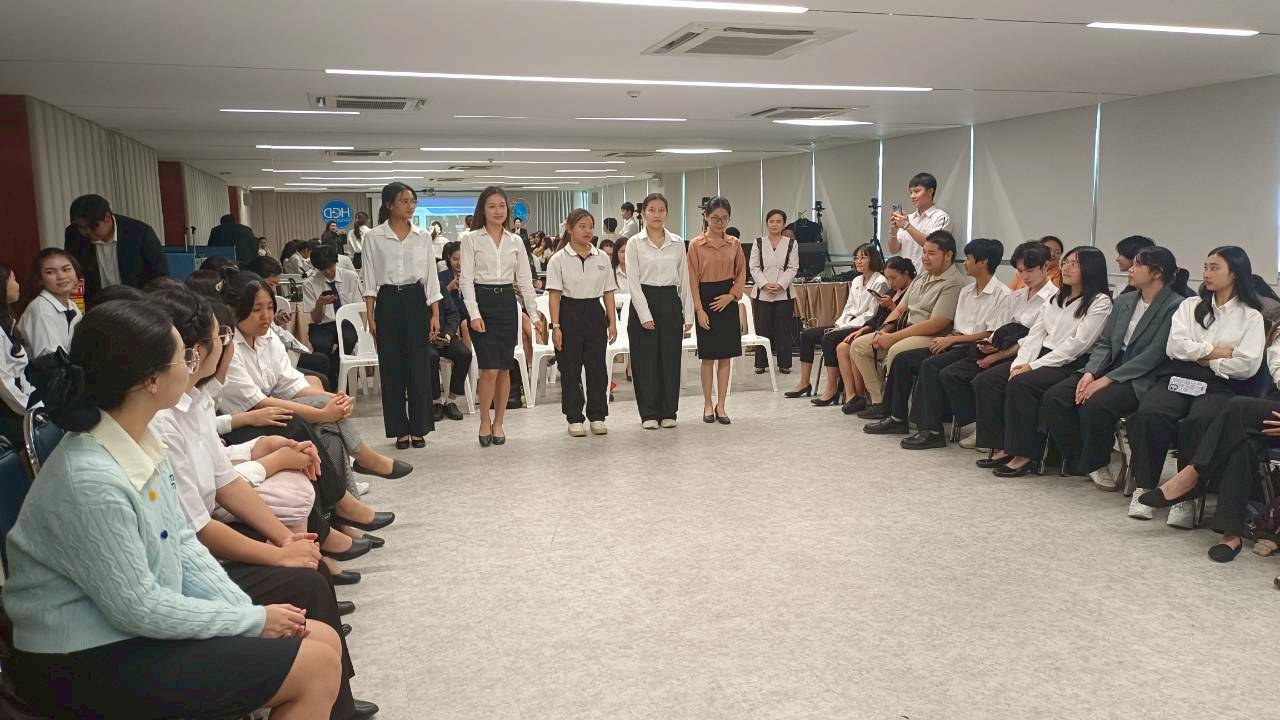
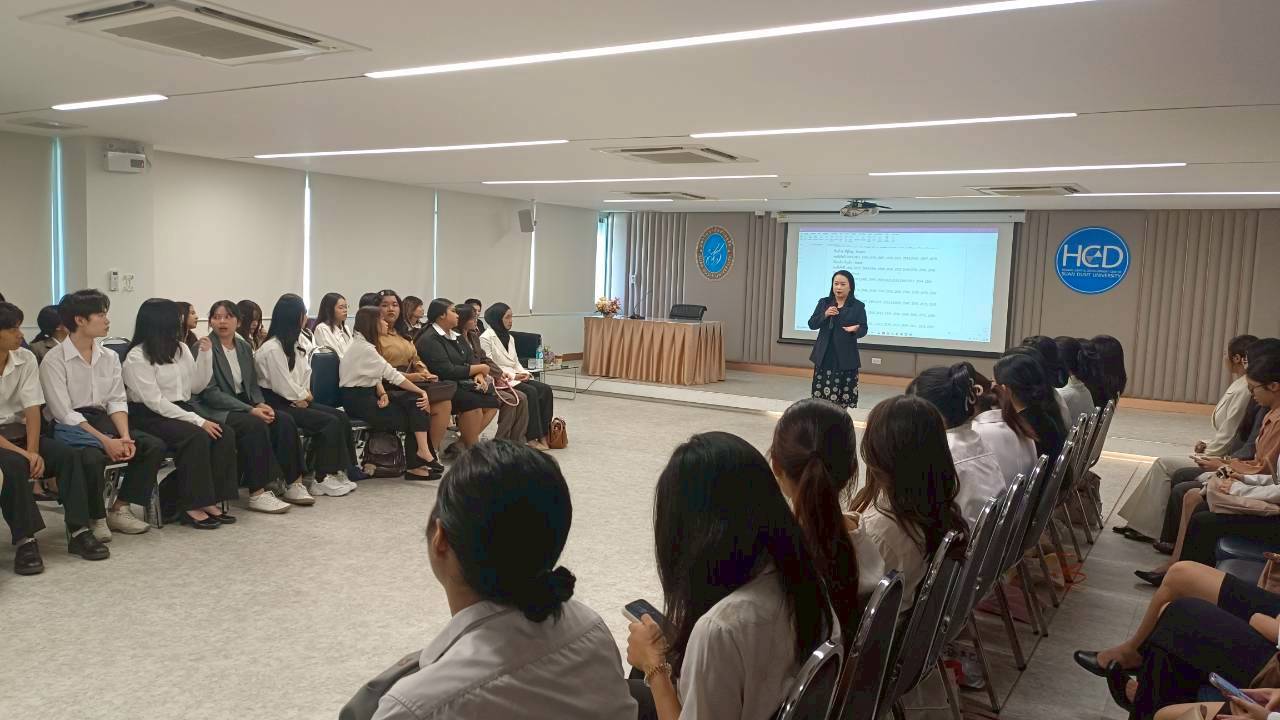
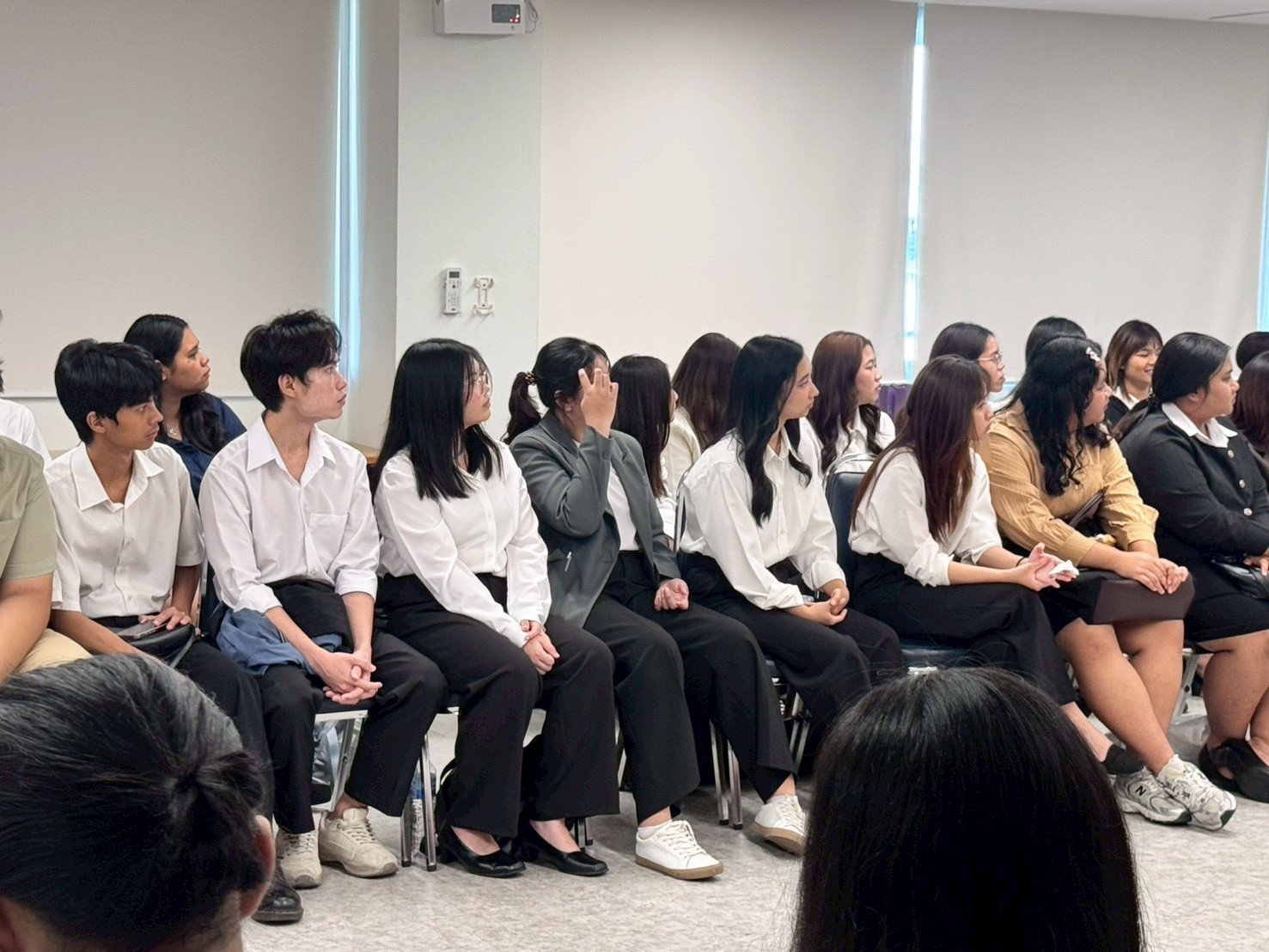
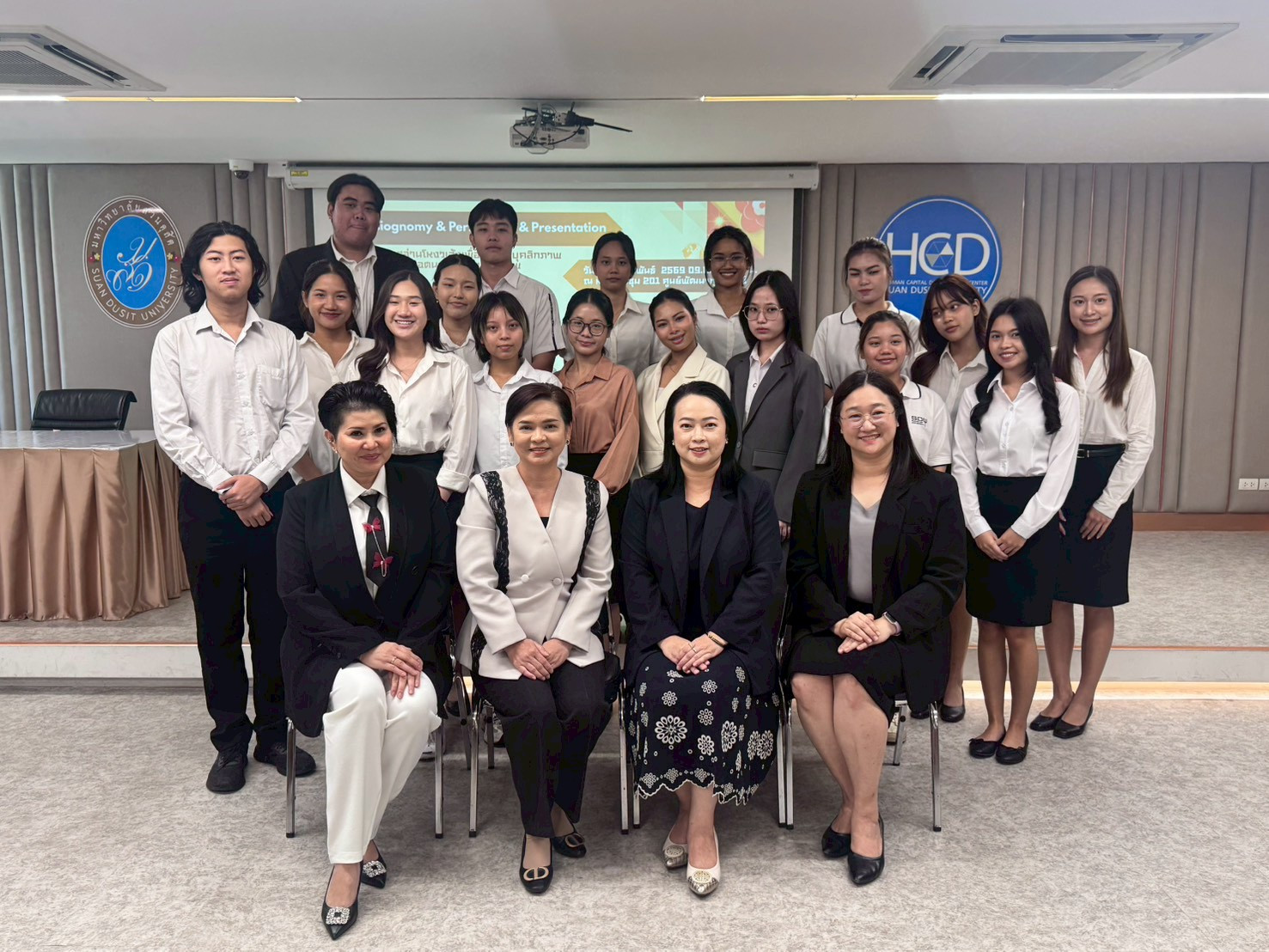
The Industrial and Organizational Psychology Program, Faculty of Humanities and Social Sciences, Suan Dusit University, organized a classroom learning activity under the topic “Physiognomy, Personality & Presentation.” The session focused on the art of physiognomy (face reading) as a tool for developing personality and enhancing professional self-presentation.
The activity was held on Wednesday, February 5, 2026, from 9:00 a.m. to 12:00 p.m. at Meeting Room 201, Human Capital Development Center. It formed part of the teaching and learning process aimed at integrating psychological knowledge with physiognomy to develop personality, promote a positive personal image, and improve appropriate self-presentation in real workplace contexts.
The activity aimed to enhance students’ knowledge, understanding, and essential skills in industrial and organizational psychology. It emphasized personal development, confidence in communication, and preparation for professional work environments through experiential learning that can be applied in real-life situations.
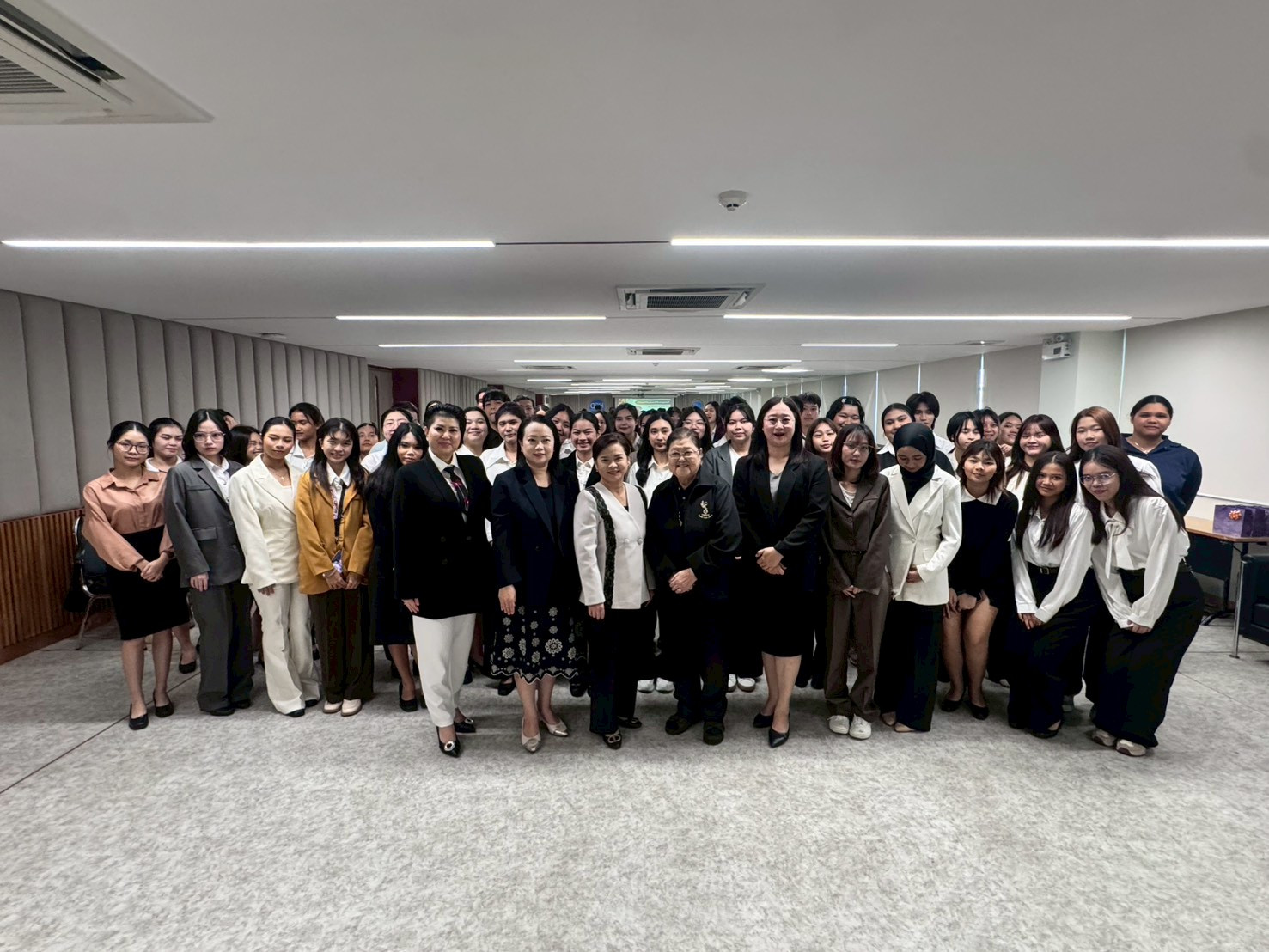
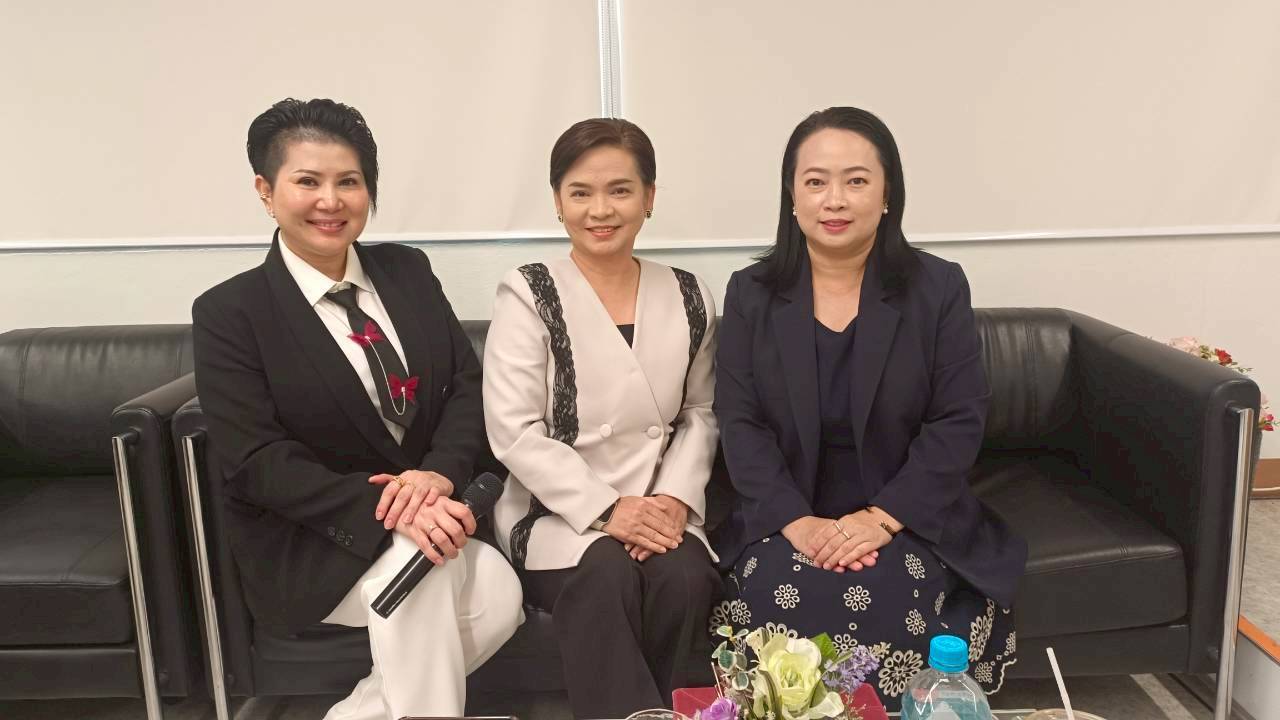
The event was honored by the participation and knowledge sharing of distinguished executives and experts in human capital development, including:
• Ms. Suwimon Maetsong, Director of the Personnel Administration Division (Academic Affairs)
• Ms. Nanthiya Saringsawat, Director of the Human Capital Development Center
• Dr. Nattanit Sirisatjanurak, Deputy Director of the Human Capital Development Center
The teaching and activity were supervised by Asst. Prof. Passarin Korlertvorapong, a lecturer in the Industrial and Organizational Psychology Program, who delivered both theoretical knowledge and practical experience. This enabled students to apply what they learned to their studies, future careers, and personal development in a tangible way.
This activity reflects a learner-centered approach and the creation of meaningful learning experiences connected to real-world work contexts, aligning with the program’s goal of developing well-rounded graduates in industrial and organizational psychology in terms of knowledge, skills, and personality.