
SDU Runs T-VER Carbon Credit Training for Net Zero Goal
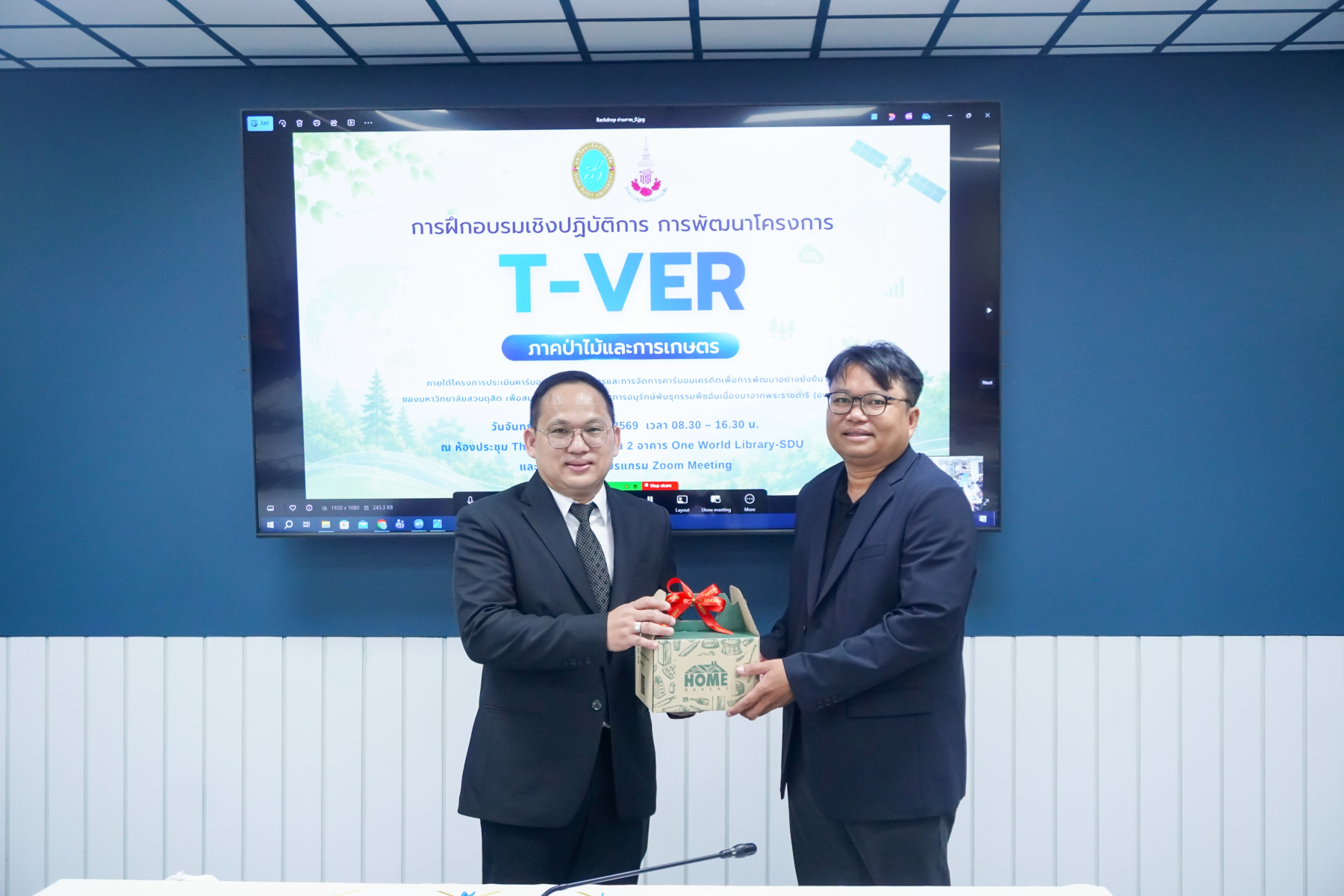
Climate change doesn’t wait for anyone, and Suan Dusit University wants its own climate work to show for it. The Environment Center, Faculty of Science and Technology, ran a hands-on training workshop on “Developing a T-VER Project for Forestry and Agriculture,” part of the university’s carbon footprint assessment and carbon credit management initiative — work that ties directly into SDG 13 and the university’s commitment to the Plant Genetic Conservation Project under the Royal Initiative of Her Royal Highness Princess Maha Chakri Sirindhorn (RSPG-SDU).
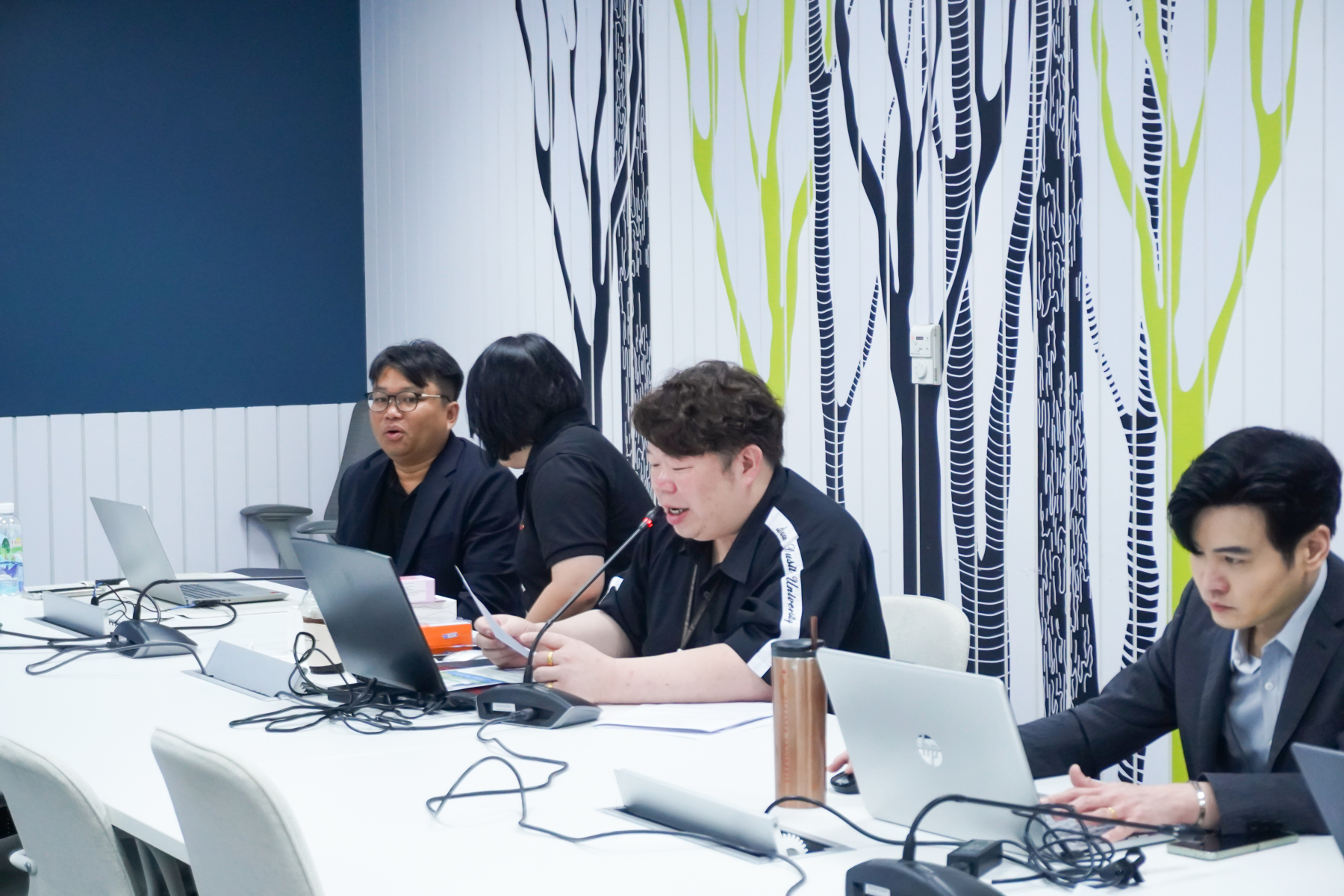
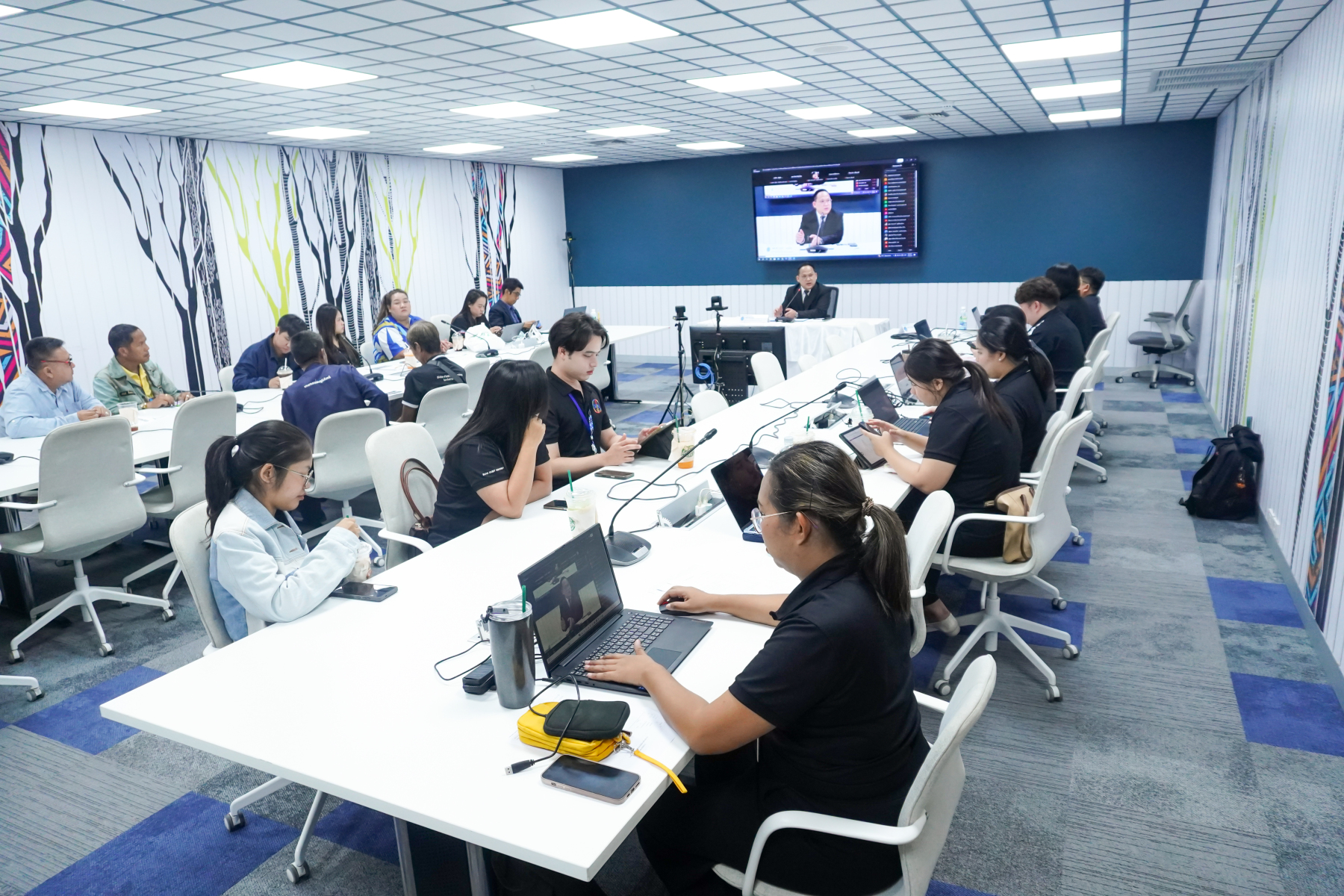
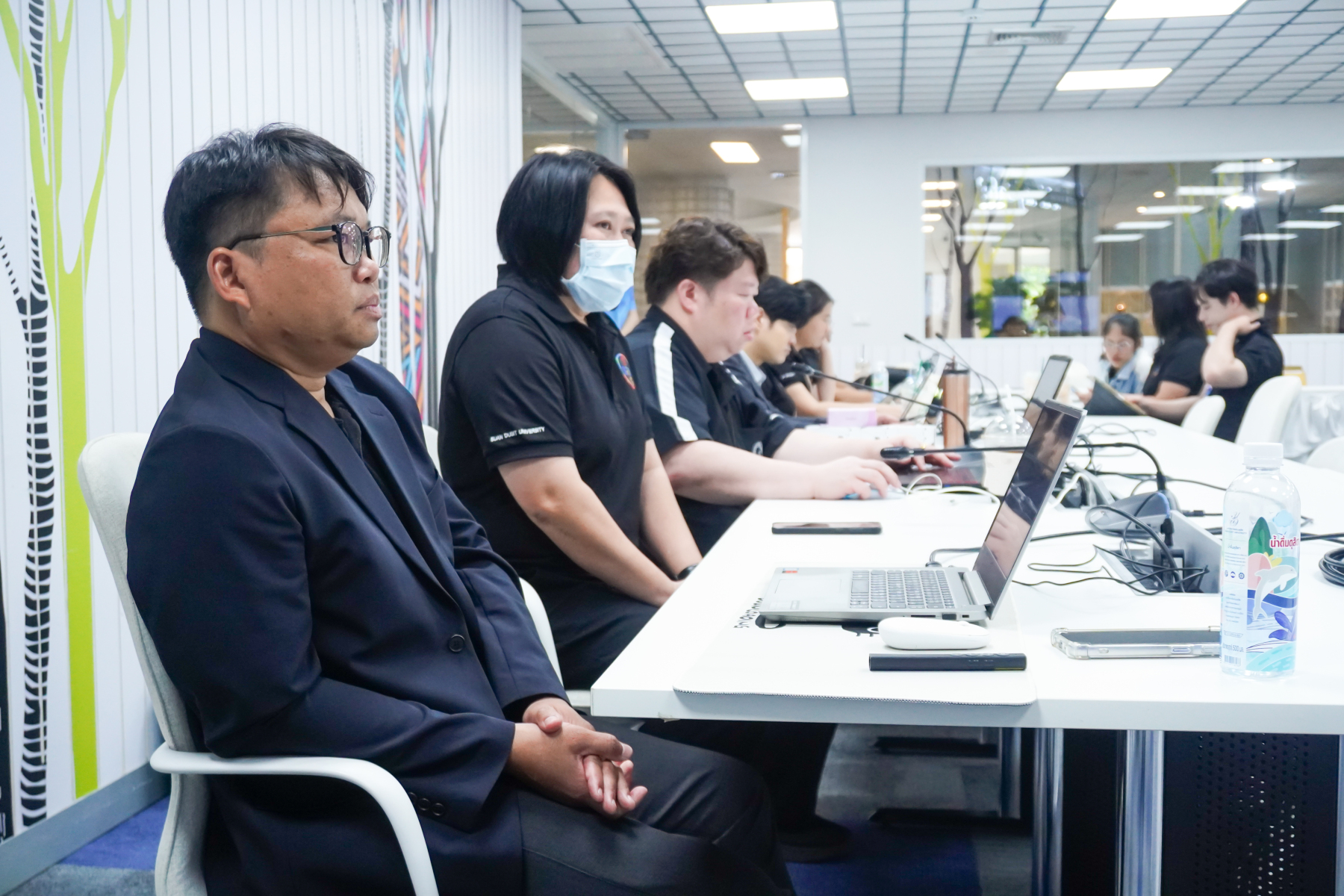
The session ran Monday, July 20, 2026, at The Library Cafe, 2nd Floor, One World Library-SDU, with an online track running in parallel over Zoom.
Asst.Prof.Dr.Yutthaya Ooyen, Director of the Office of Community Innovation, opened the workshop and welcomed participants, stressing why the RSPG project matters as a foundation for developing the university’s physical, biological, and intellectual resources — work that feeds into academic, social, and commercial innovation down the line. She also flagged the university’s push to assess its own Carbon Footprint for Organization (CFO) at pilot sites like Suan Dusit Home Bakery and the print shop, aiming for real, accurate greenhouse gas reduction figures that support the broader T-VER push in forestry and agriculture, offsetting emissions and moving the university toward carbon neutrality.
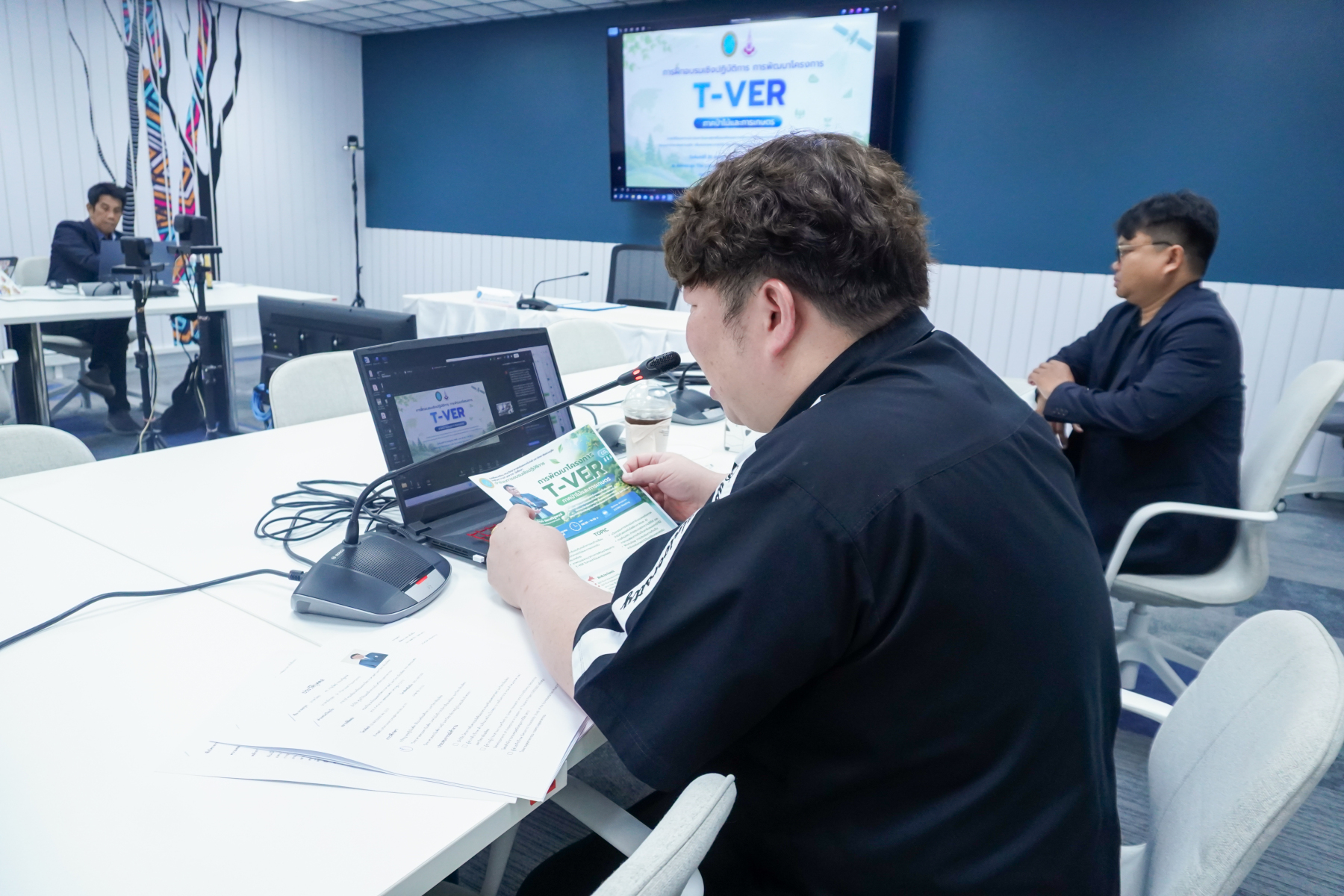
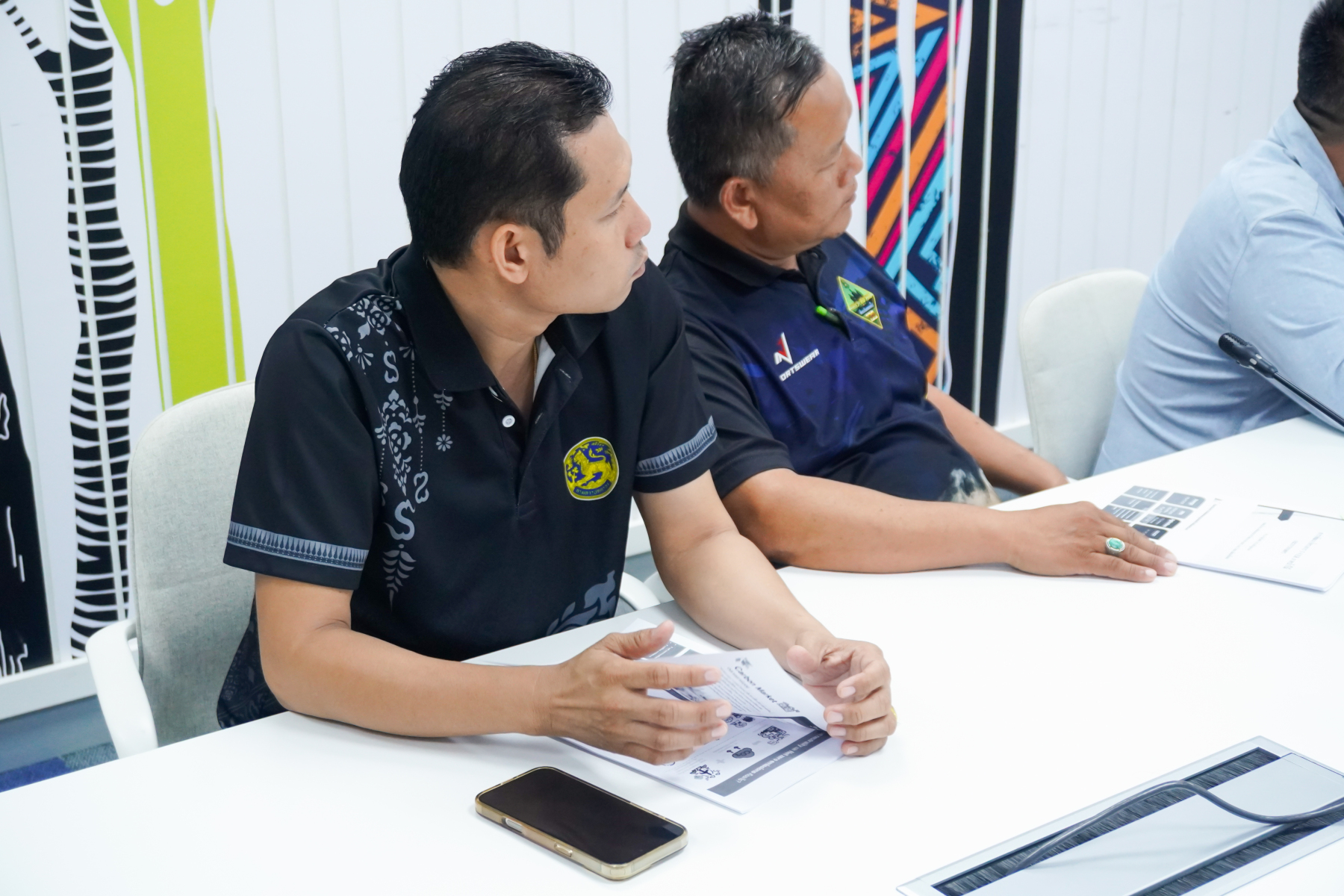
Dr.Phanuwat Prasertpong, a lecturer and researcher at Mahidol University’s Faculty of Environment and Resource Studies — someone with real hands-on experience helping leading Thai organizations build their own carbon footprint reports — led the workshop content. Topics ran from the carbon credit market and mechanisms for cutting emissions, to building a T-VER project under Thailand’s own voluntary standard for forestry and agriculture, carbon credit assessment innovation, and applying space technology and AI to forest carbon credit evaluation. Participants also worked through carbon calculation methods, verification processes, and how to check whether forest and agricultural carbon sequestration data holds up against Thailand Greenhouse Gas Management Organization (TGO) standards, finishing with a hands-on session estimating carbon sequestration in forest areas using digital platforms, applied directly to data from the university’s own tree-planting activities.
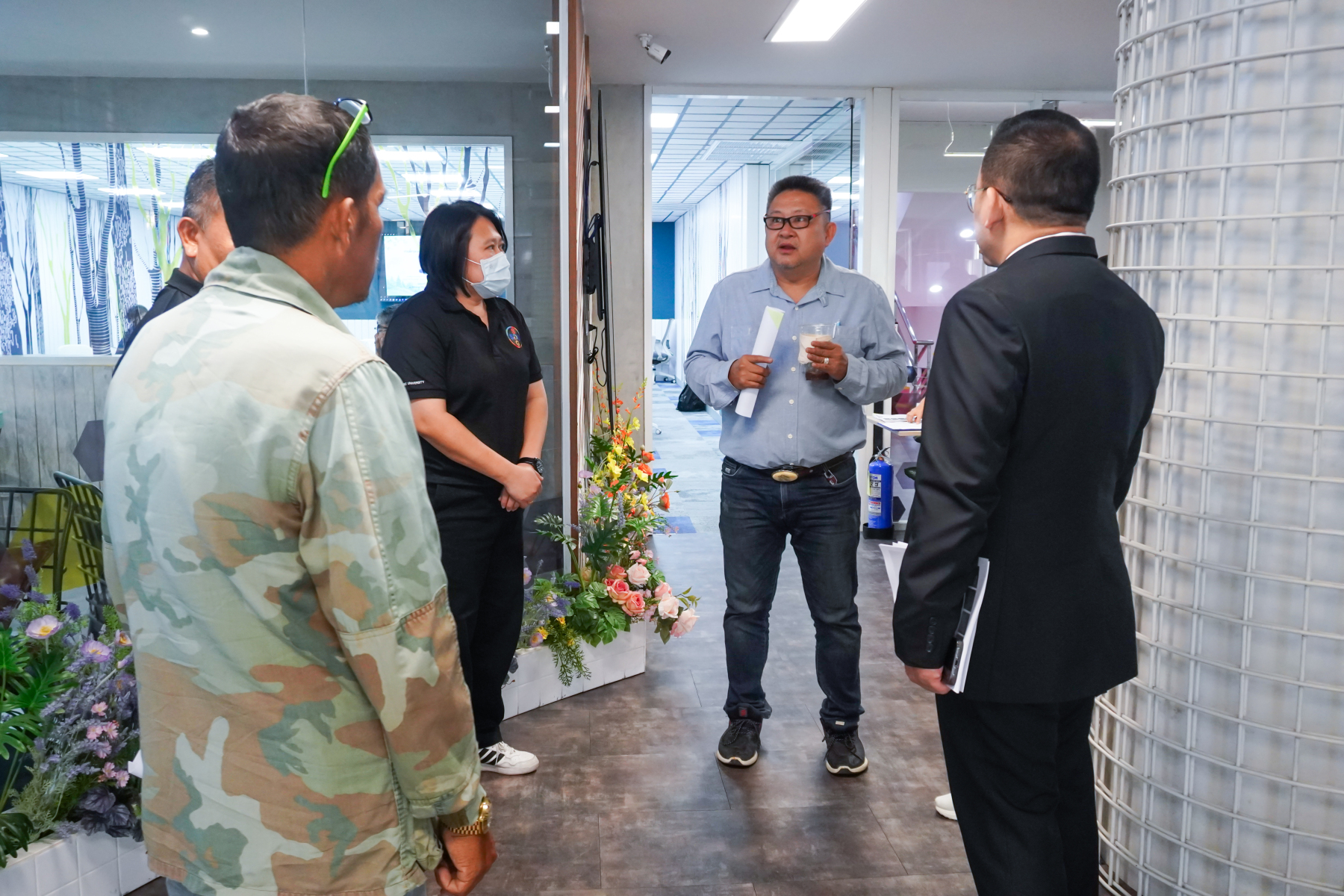
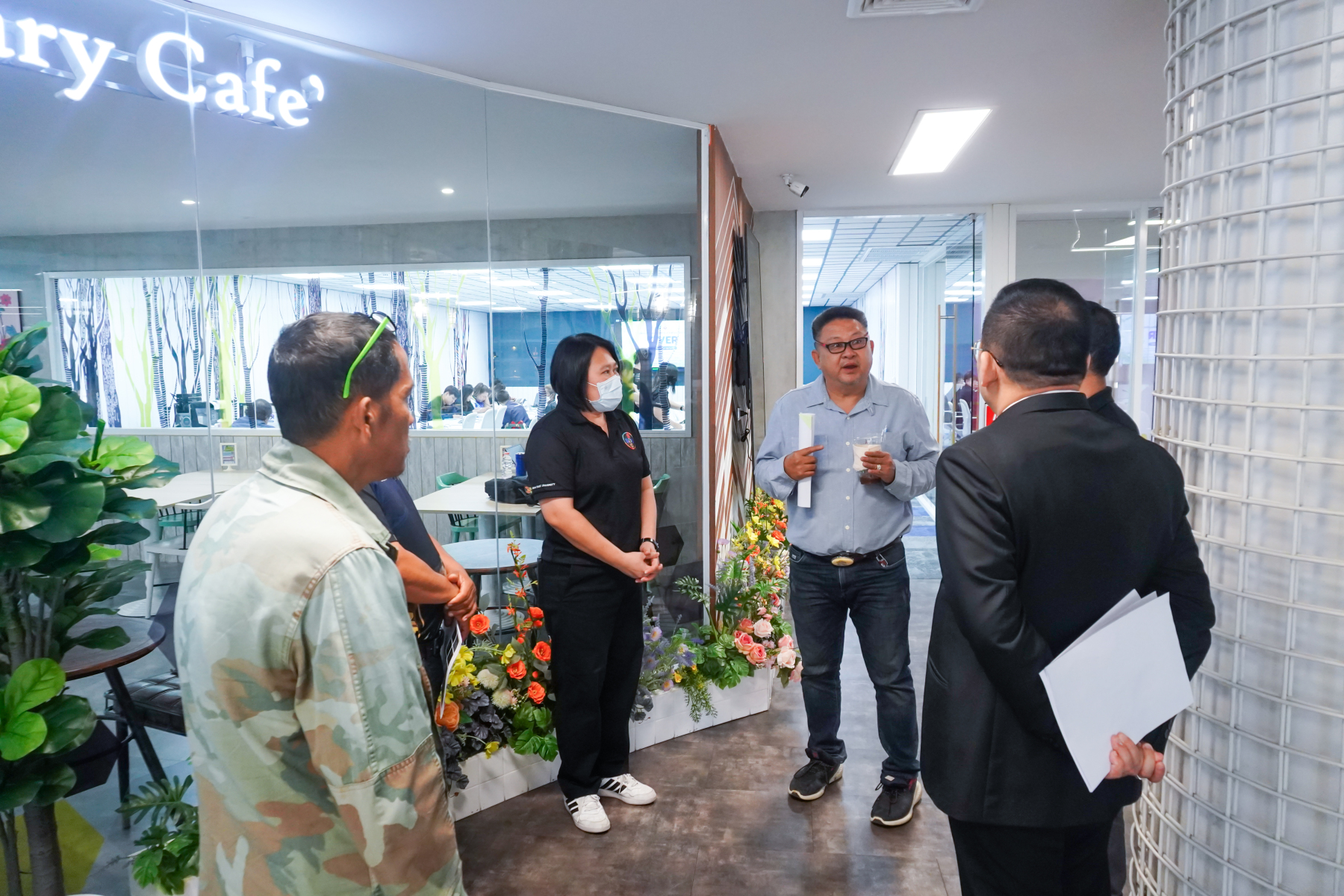
Beyond Suan Dusit staff and students, the training opened its doors to community members too — representatives from the Tambon Dan Chang Subdistrict Administrative Organization in Suphan Buri joined in, picking up carbon assessment know-how they can carry back and apply to T-VER work in their own area.
Organizers see the day as another step in bringing academic knowledge and modern technology into how the university manages its environment — work that answers directly to the RSPG project’s goals while pushing Suan Dusit toward becoming a genuinely sustainable institution, and doing its part as the country confronts climate change head-on.