
Suan Dusit University partners with strategic networks to drive low-carbon rice production, elevating Thai agriculture to international standards
The Faculty of Science and Technology at Suan Dusit University, in collaboration with Siam Silica Fertilizer Co., Ltd. and the Thailand Productivity Institute, executed a research and development project to establish a concrete low-carbon rice production system. This initiative aimed to mitigate greenhouse gas emissions within the agricultural sector, empower local farmers, and bolster the global competitiveness of Thai rice in alignment with the nation’s carbon neutrality goals and international environmental trade regulations.
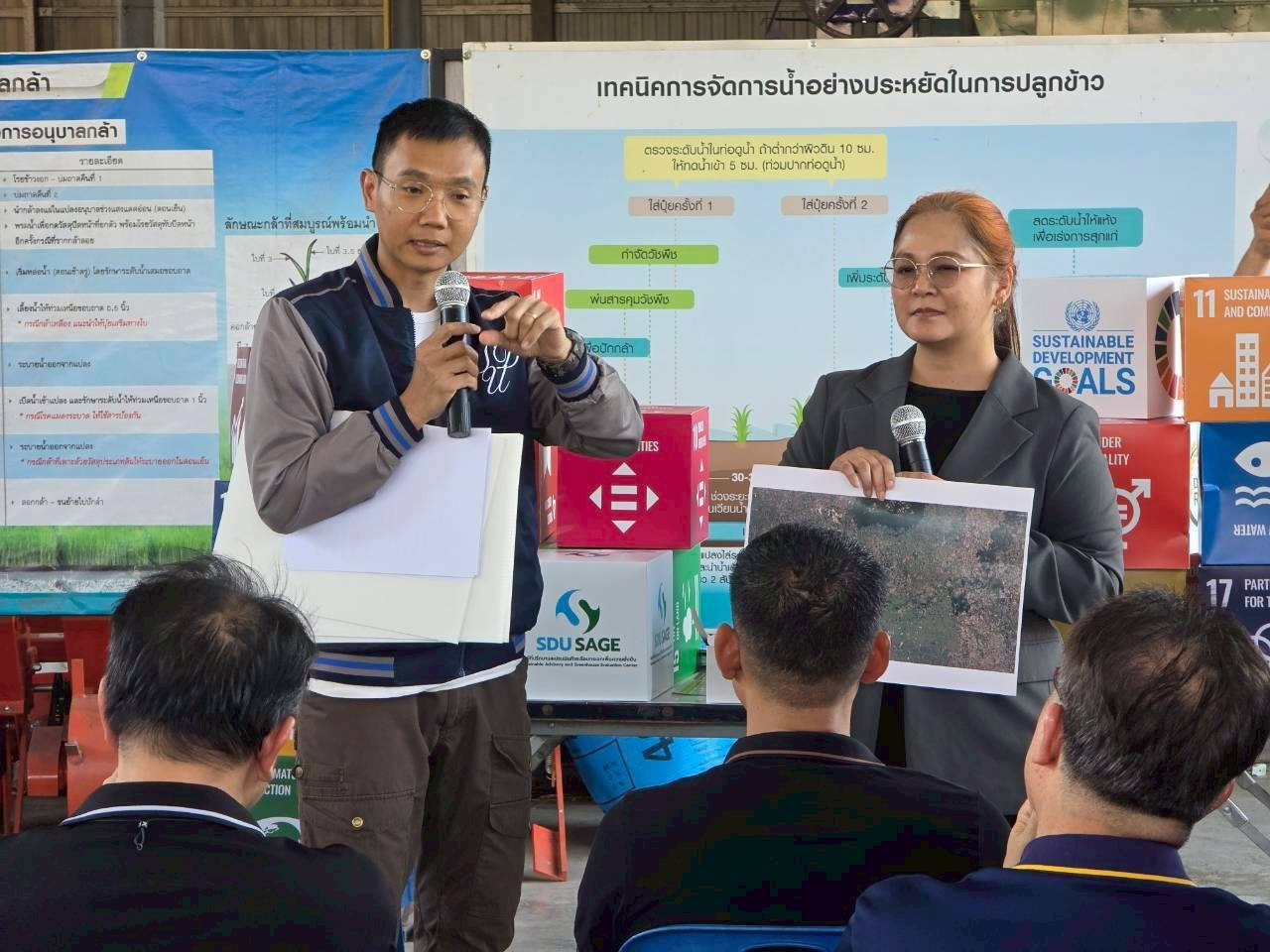
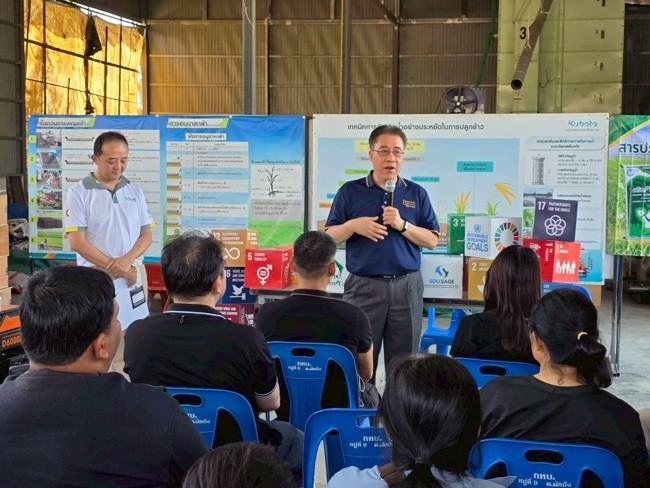
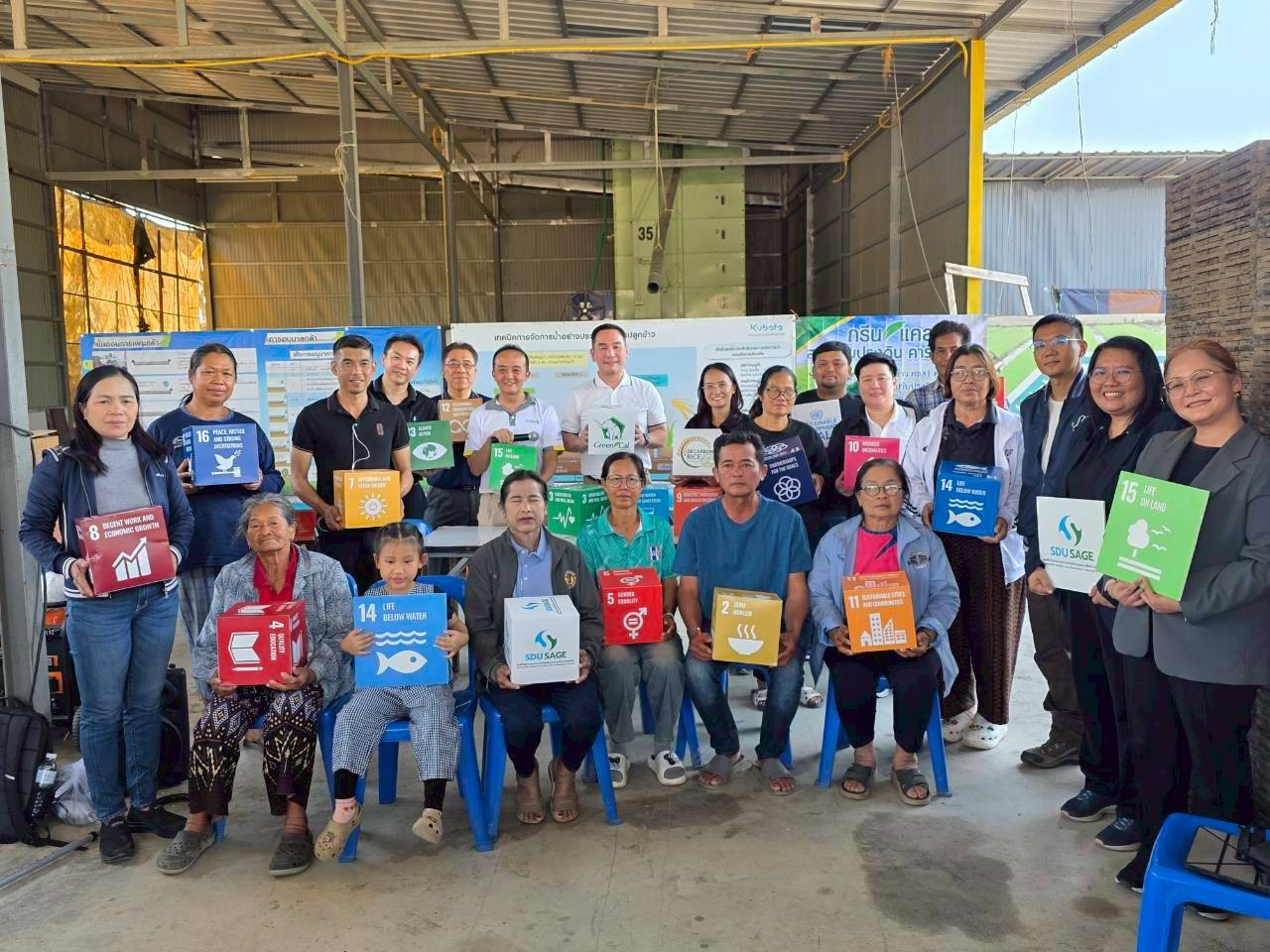
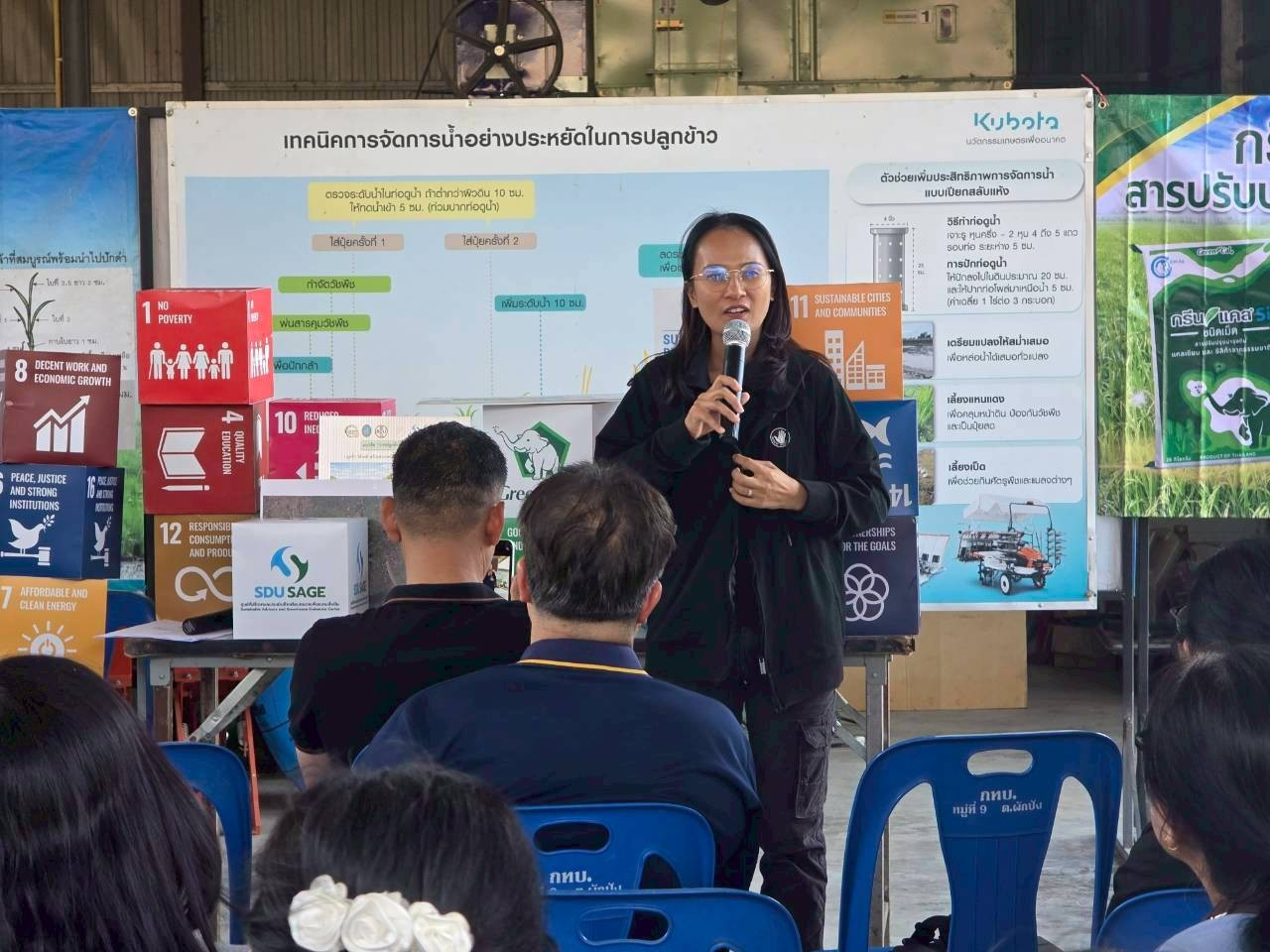
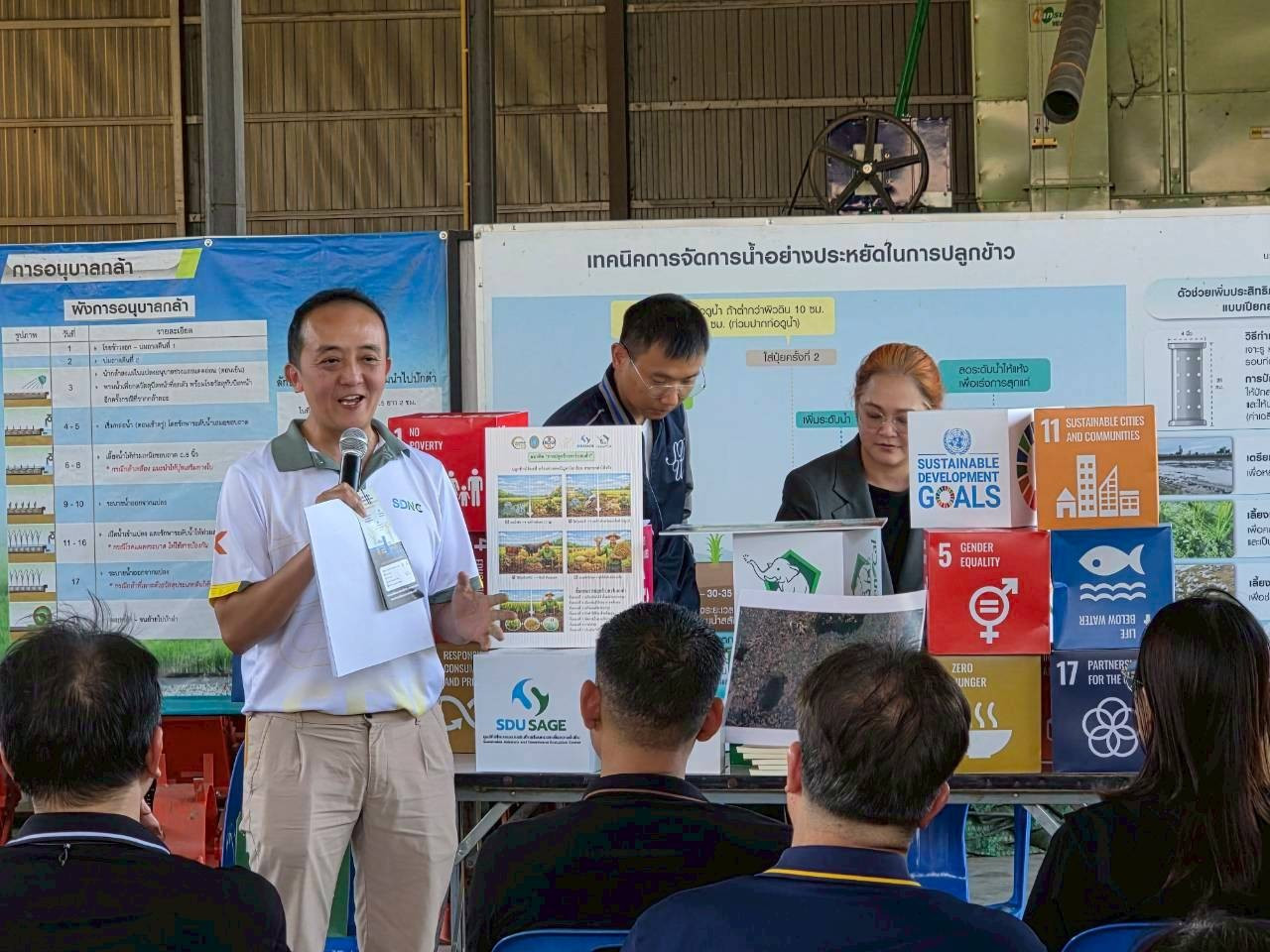
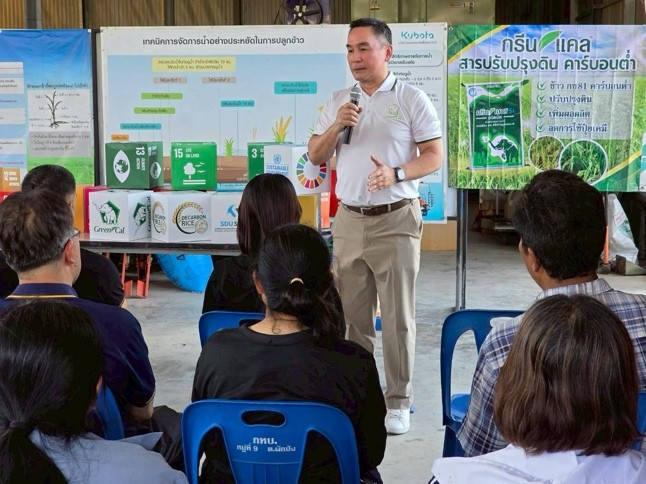
On January 25, 2026, the SDU Center for Greenhouse Gas Advisory and Evaluation for Sustainability (SDU SAGE)—operating under the Faculty of Science and Technology—dispatched a specialized research team to the field. Led by Asst. Prof. Dr. Udomsak Kitthawee, Associate Dean, along with Dr. Simanata Threedeach, Lecturer Montol Suwanprapha, Lecturer Sawitree Muangsri, and Mr. Anuchit Sawattarn, the team shared technical expertise and collected comprehensive greenhouse gas emission data from rice cultivation processes. The field operation took place at the Large-Scale Rice Farm Group in Phak Pang Sub-district, Phu Khiao District, Chaiyaphum Province, which served as the project’s pilot site and received strong cooperation from local farmers.
These activities were conducted under the project titled “A Study on Soil Amendment Efficiency for Yield, Soil Quality, and Greenhouse Gas Reduction to Develop a Sustainable Low-Carbon Rice Production System.” The project focused on developing a model for rice production that minimized environmental impacts while simultaneously enhancing productivity. The researchers analyzed emission data to establish a robust academic database for strategic production planning and nationwide scaling.
The anticipated outcomes of this project included the development of evidence-based “Good Practices” for large-scale low-carbon rice farming. These practices were designed to be practical and scalable, helping to reduce the carbon footprint of the agricultural sector, optimize resource efficiency, and ensure food security through sustainable development. Furthermore, the initiative contributed to elevating Thai rice production standards to meet the stringent environmental requirements of global markets.
The framework for developing this low-carbon system played a pivotal role in driving tangible sustainable development across multiple dimensions. By promoting eco-friendly production, the project enhanced manufacturing efficiency and lowered environmental costs for farmers, fostering economic stability and reducing vulnerability within the agricultural sector.
Simultaneously, the reduction of greenhouse gas emissions addressed climate change challenges at the farm level while supporting soil conservation and long-term terrestrial ecosystem preservation. Moreover, the collaborative model—uniting academia, the private sector, national productivity organizations, and local farming communities—reflected a powerful partnership for sustainable development. This synergy bridged the gap between academic theory and practical implementation, creating the potential for systematic national policy expansion.
Ultimately, the execution of this project demonstrated Suan Dusit University’s commitment as a higher education institution dedicated to driving research and innovation for sustainability. By integrating academic knowledge with community-based problem solving, the university supported the transition toward an agricultural system that is environmentally friendly, socially responsible, and capable of generating long-term positive impacts on the nation’s economy, environment, and food security.